Results

Discover how the Galápagos land iguana recovery program began. From the 1932 translocation to the leadership of Howard and Heidi Snell, this article shows how scientific research, captive breeding, and habitat restoration made possible one of the world's most successful conservation stories.
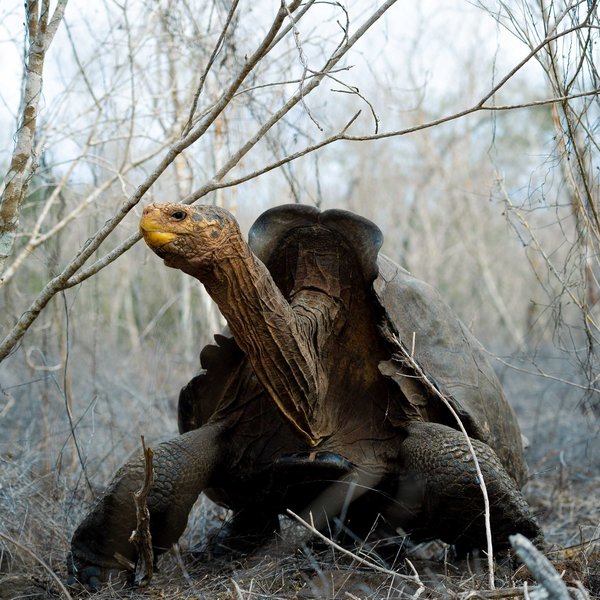
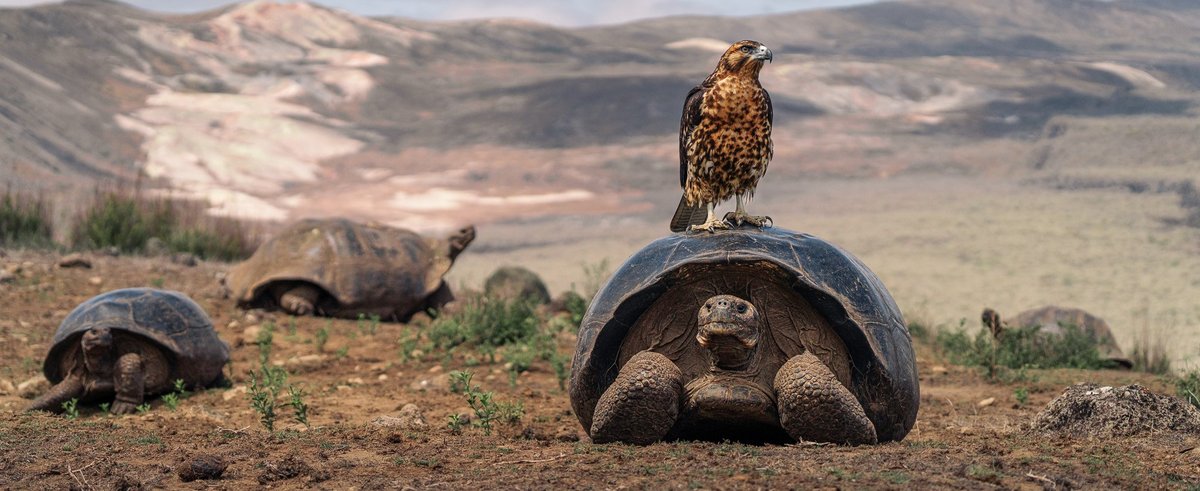
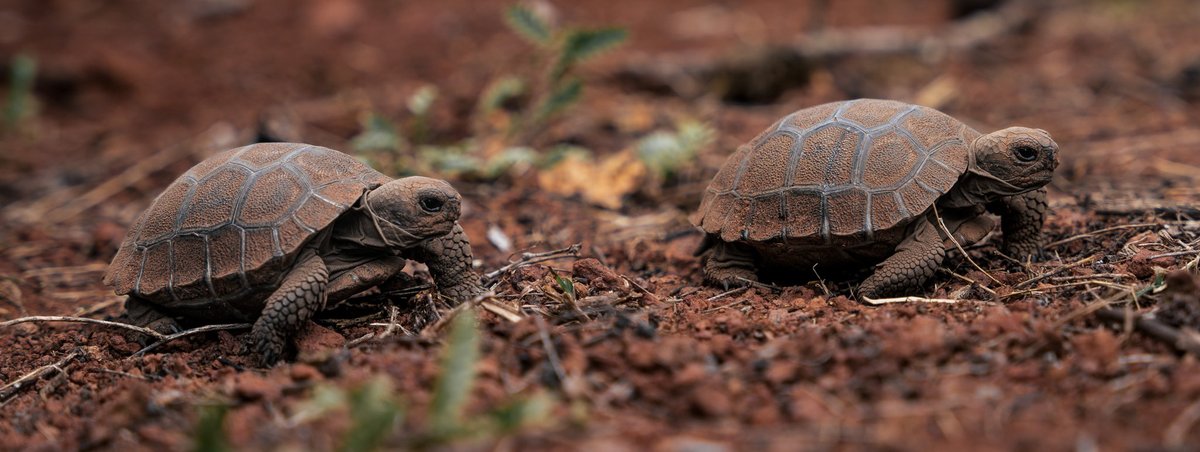
Giant tortoises are emblems of Galapagos. They are critical ecosystem engineers and they are also important for the local economy. Yet all 12 species of Galapagos Giant Tortoises are of conservation concern. Our work focuses on conserving these gentle giants through research and education.

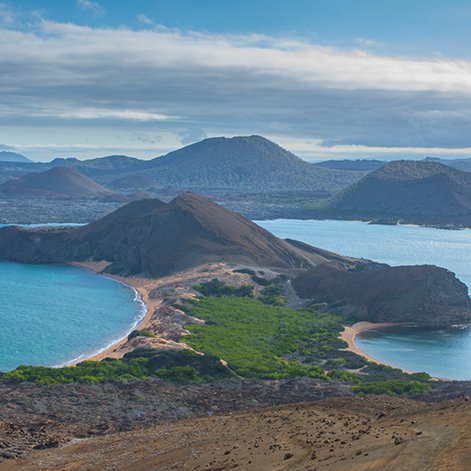


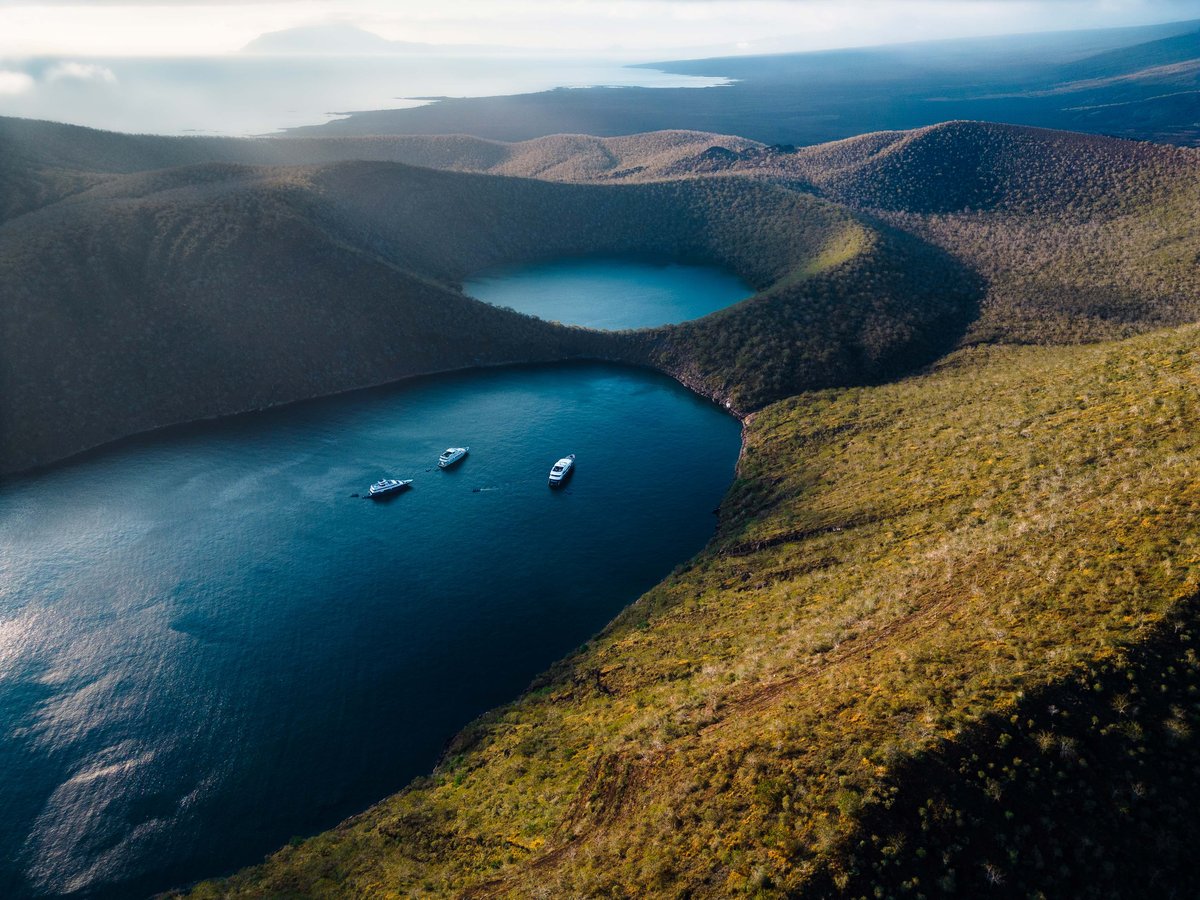
Restoring Floreana isn’t about small plots—it’s about healing an entire island. Discover how large-scale habitat restoration underpins species recovery, why forests like Scalesia matter, and how science, patience, and collaboration are reshaping one of Galápagos’ most ambitious conservation projects—with lessons that could inform island restoration worldwide.

The dataZone is a collection of applications, accesible online or inside the Charles Darwin Research Station, providing access to all the scientific information stored in several databases, product of almost 60 years of research in the Galapagos Islands.

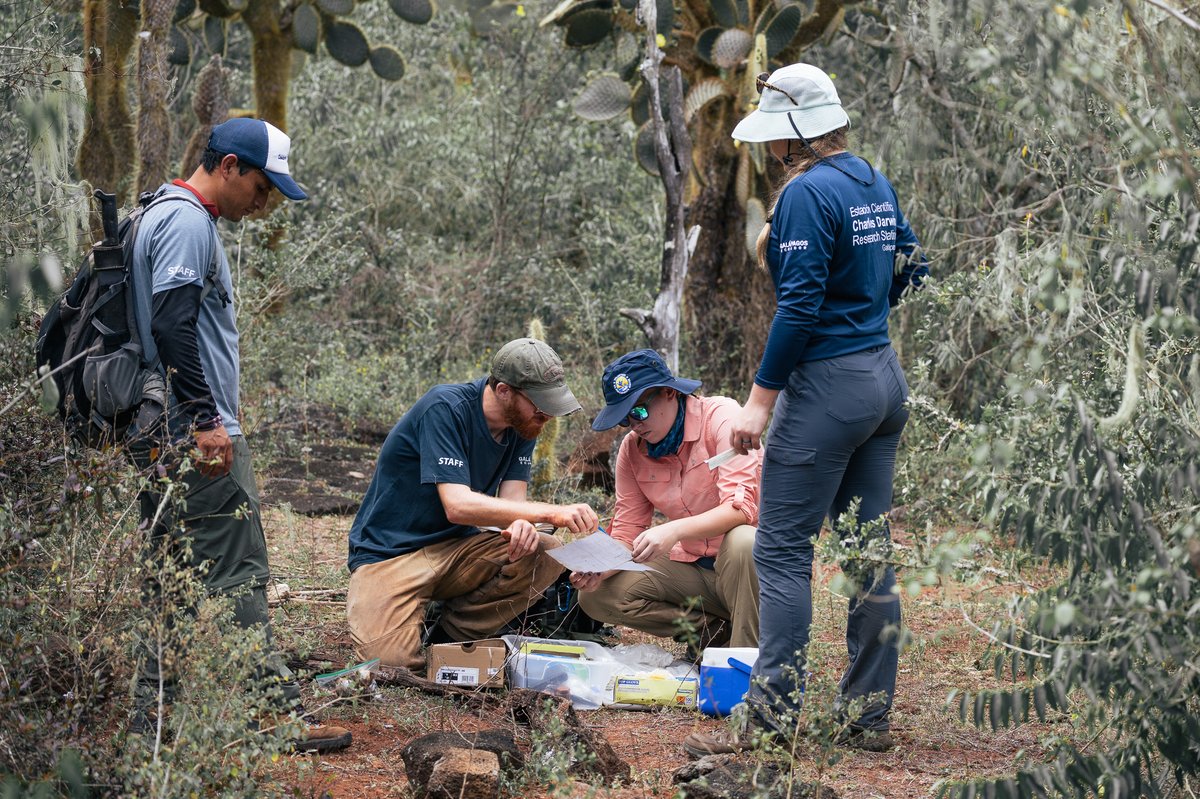
Ecological restoration requires a clear understanding of existing biodiversity. In 2022, the Charles Darwin Foundation (CDF) and the Galápagos National Park Directorate conducted the first baseline study of invertebrate communities on Floreana Island. Over 15,000 specimens were collected from both agricultural areas and National Park land.
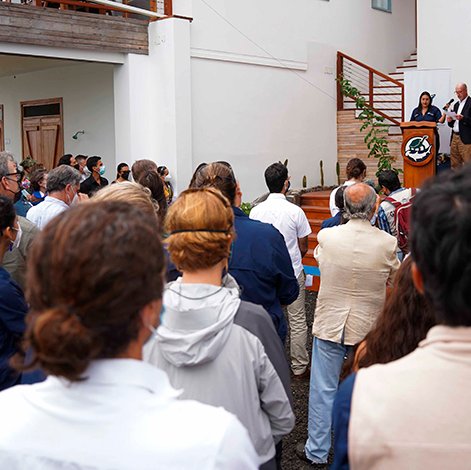
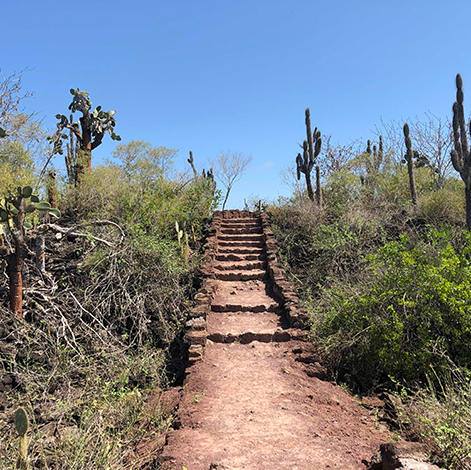

Join our Wild Club today! By scheduling a recurring monthly gift, you will increase your impact on Galapagos conservation.
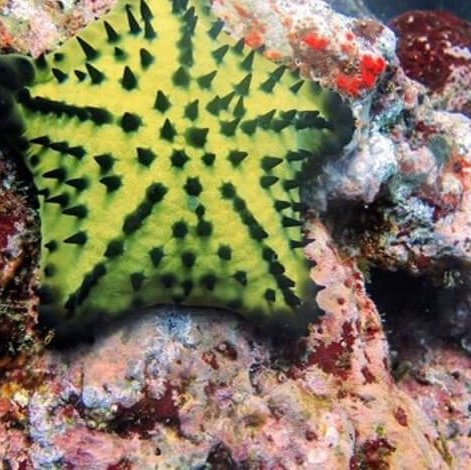

Collected more than 130 years ago, some of the oldest marine specimens from Galápagos are preserved at the Marine Organisms Collection of the Charles Darwin Research Station. These historic corals, gathered during the 1888 Albatross expedition, continue to provide valuable insights into the past and present of Galápagos marine biodiversity, highlighting the importance of scientific collections for research and conservation.