Results

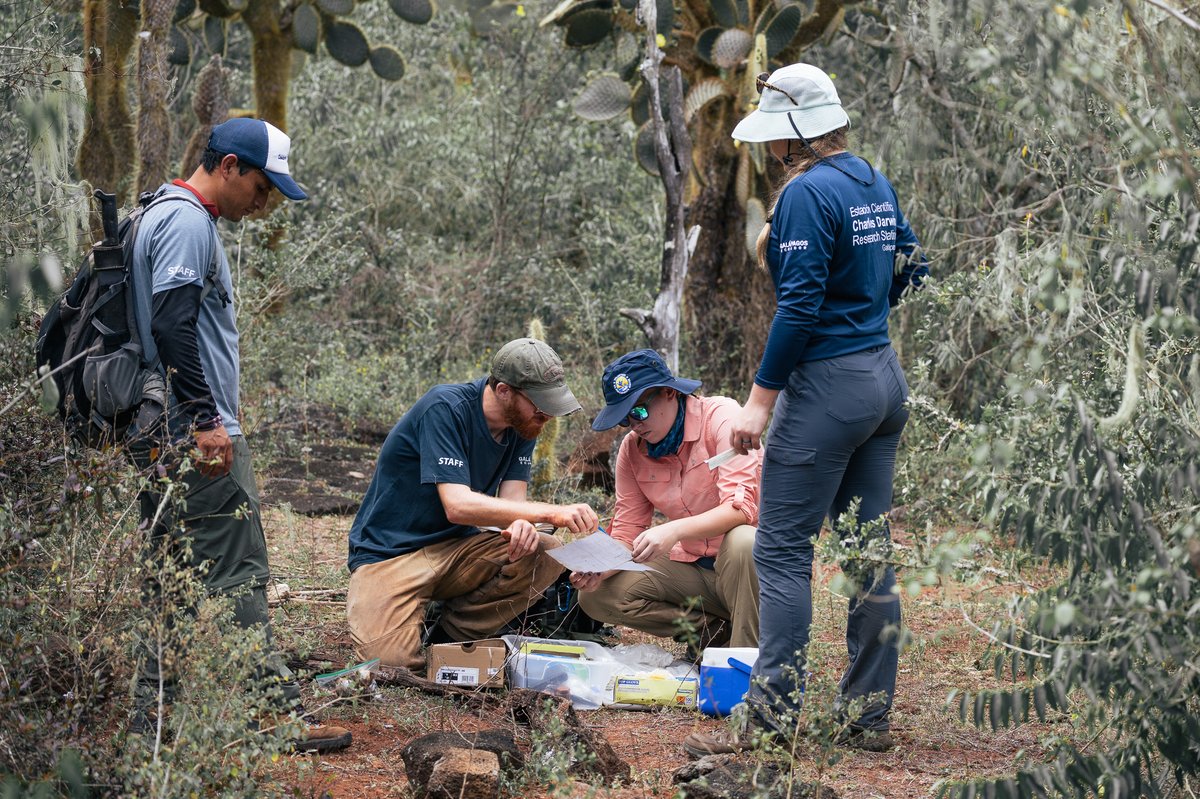
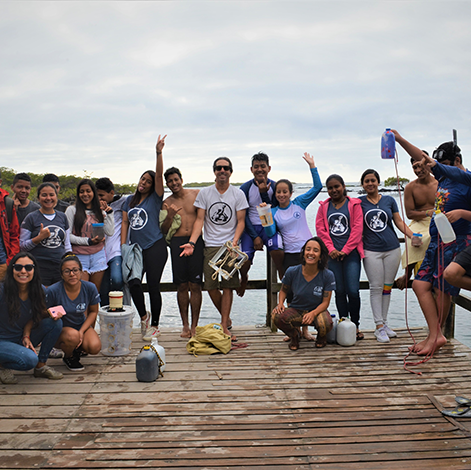
Being a volunteer at the Charles Darwin Foundation was one of the most enriching experiences of my life. For two months, I had the privilege of participating in various projects that allowed me to witness firsthand the incredible work being done to protect the natural environment of the Galápagos Islands. From guiding visitors in the Exhibition Hall, collaborating with the Communications and Marketing team, to joining scientists in the field, I experienced a full immersion in the CDF’s conservation efforts.
Being a volunteer at the Charles Darwin Foundation was one of the most enriching experiences of my life. For two months, I had the privilege of participating in various projects that allowed me to witness firsthand the incredible work being done to protect the natural environment of the Galápagos Islands. From guiding visitors in the Exhibition Hall, collaborating with the Communications and Marketing team, to joining scientists in the field, I experienced a full immersion in the CDF’s conservation efforts.

The Charles Darwin Foundation strengthens academic collaborations in Lausanne and Zurich, Switzerland
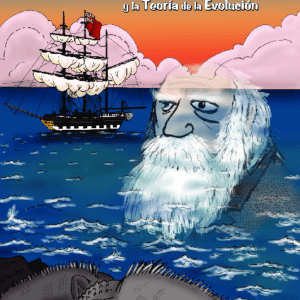
Learn about Charles Darwin and the theory of evolution.
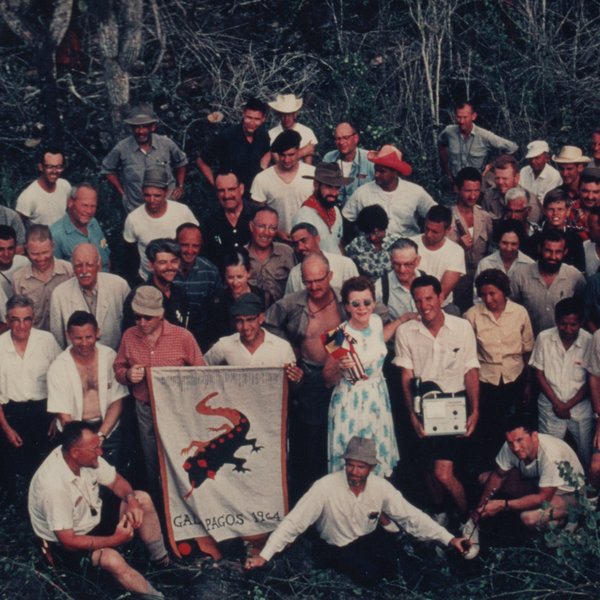
Discover the Charles Darwin Foundation, established in 1959 to protect the Galapagos Islands' fragile ecosystem. As the oldest and largest science and conservation organization in the archipelago, our Research Station leads efforts to preserve this unique environment through groundbreaking research and conservation milestones.
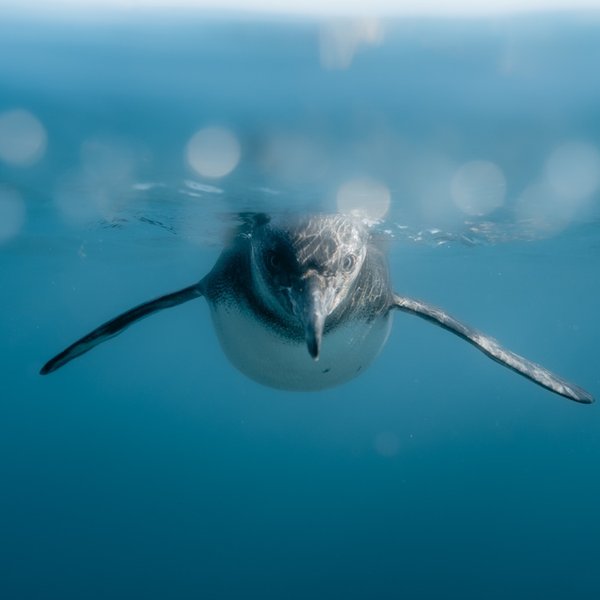
Together, we can ensure that the Galapagos Islands remain a beacon of biodiversity and scientific inspiration. Donate today!
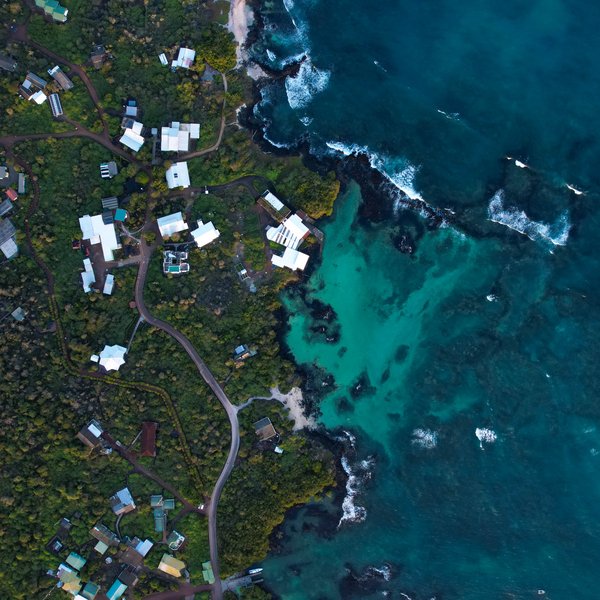
Discover the mission, vision, and impact of the Charles Darwin Foundation. Dedicated to preserving the Galapagos Islands through groundbreaking scientific research and conservation initiatives since 1964.
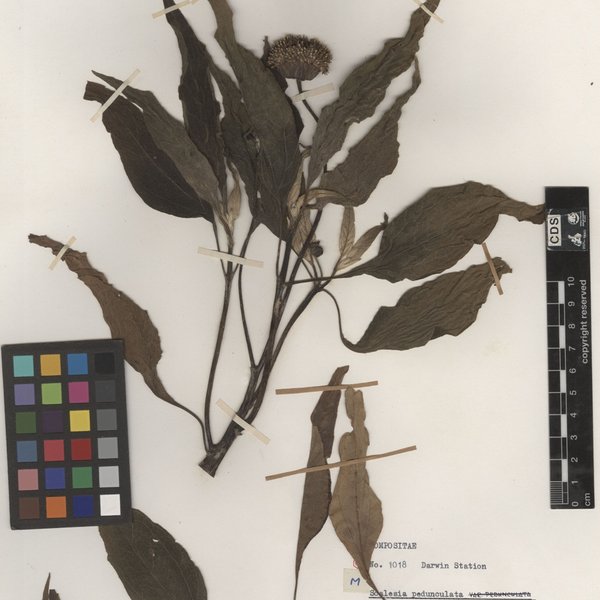
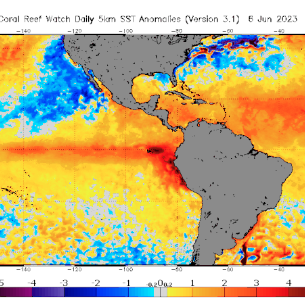
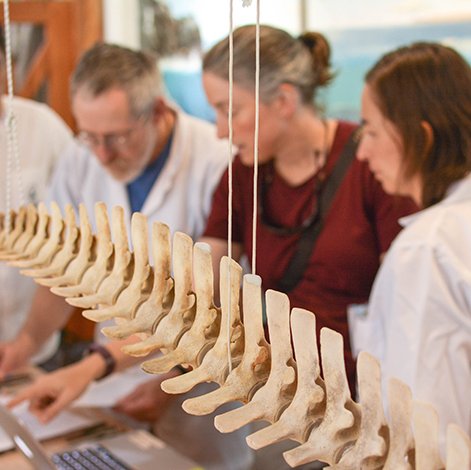

Collected more than 130 years ago, some of the oldest marine specimens from Galápagos are preserved at the Marine Organisms Collection of the Charles Darwin Research Station. These historic corals, gathered during the 1888 Albatross expedition, continue to provide valuable insights into the past and present of Galápagos marine biodiversity, highlighting the importance of scientific collections for research and conservation.

For the first time, the Charles Darwin Foundation opens Galápagos’ largest scientific collections to the public. Housing over 137,000 specimens, this new facility offers a rare glimpse into the science shaping conservation decisions and safeguarding one of the planet’s most extraordinary ecosystems.